
Why Waterproofing Matters: Protecting Your Home's Core
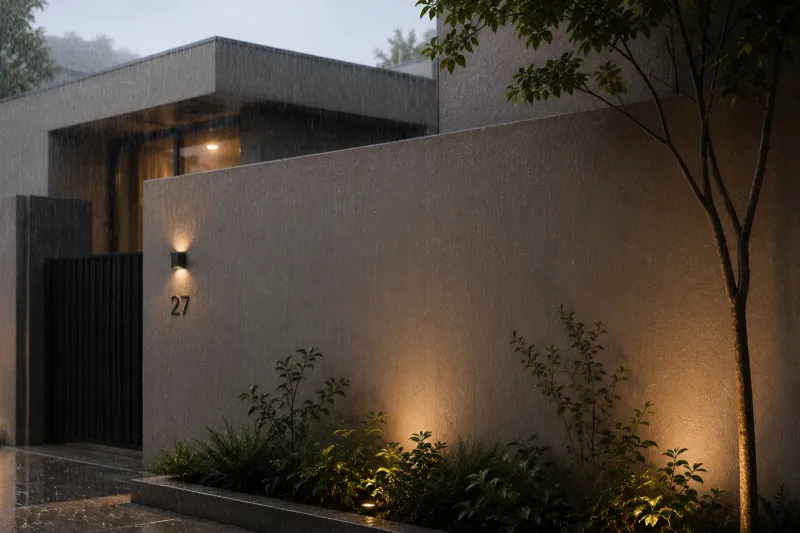
We often spend a lot of time and money choosing the perfect colors, furniture, and lighting for our interiors, but we tend to neglect the exterior shield of our home. In regions with heavy monsoons, high humidity, and extreme weather, waterproofing is not a luxury—it is an absolute necessity.
Think of waterproofing as the immune system of your house. Without it, your home is exposed to the elements, and water will inevitably find its way in. Once moisture breaches the surface, the damage it causes can be catastrophic and incredibly expensive to repair.
The Science of Dampness: How Water Enters
Water doesn't just enter through obvious cracks. Concrete and brick are porous materials, acting almost like a sponge. Through a process called capillary action, groundwater can travel upwards through the foundation into your walls (rising damp). Additionally, driving rain can push moisture through the microscopic pores of exterior walls (penetrating damp).
The Dangers of Ignored Moisture
When water seeps into your walls, it does much more than just ruin your expensive interior paint job. It causes severe, cascading issues:
- Structural Damage: Continuous moisture can weaken concrete. Worse, it reaches the iron reinforcing bars (rebar) inside your walls and pillars. When iron rusts, it expands, causing the concrete around it to crack and break off—a dangerous structural failure known as spalling.
- Health Hazards: Damp, warm walls are the perfect breeding ground for toxic mold and mildew. Breathing in mold spores daily can trigger allergies, asthma, and severe respiratory issues, particularly in children and the elderly.
- Aesthetic Ruin: Moisture causes efflorescence—ugly white powdery patches of salt deposits on your walls. It leads to bubbling, flaking paint, peeling wallpaper, and foul, musty smells that make even the most beautifully designed room feel unpleasant.
The Three Key Zones of Waterproofing
To fully protect your home, you must secure the three primary points of water entry:
- The Roof / Terrace: The roof bears the brunt of the monsoon. Flat roofs in particular require multi-layer elastomeric liquid waterproofing membranes to prevent pooling water from seeping into the ceiling below.
- Exterior Walls: Sun exposure causes hairline cracks in exterior plaster. High-performance waterproofing exterior paints can bridge these micro-cracks and stretch with the building's thermal expansion, creating a rain-proof barrier.
- Bathrooms and Wet Areas: Internal waterproofing is just as critical. Leaky bathroom tiles can destroy adjacent bedroom walls or the ceiling of the room below. Epoxy grouting and under-tile membranes are essential here.
The ROI of Proactive Waterproofing
Many homeowners view waterproofing as an unnecessary expense during construction or renovation. However, retroactively fixing a leak, scraping off ruined interior putty, repairing rusted rebar, and repainting the entire room costs significantly more than getting the waterproofing right the first time.
Did you know? A high-quality exterior waterproofing job can extend the life of your building structure and your interior paints by over 7 to 10 years!
Don't wait for the damp patches to appear on your expensive living room walls. Treat your home's exterior and roof with a high-quality waterproofing solution before the next monsoon hits.
Secure your home today.
Book a free site inspection with our waterproofing experts. We'll identify hidden leaks and recommend the perfect barrier for your walls.
Book a Free Inspection